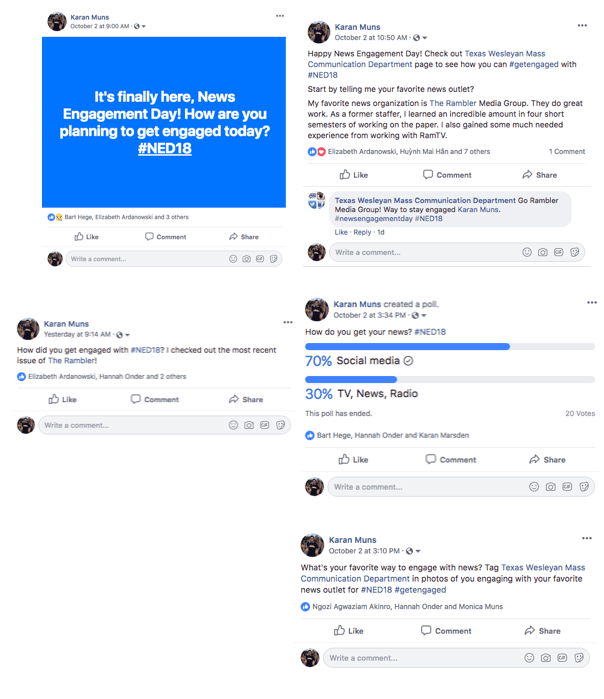
Author: Karan Muns

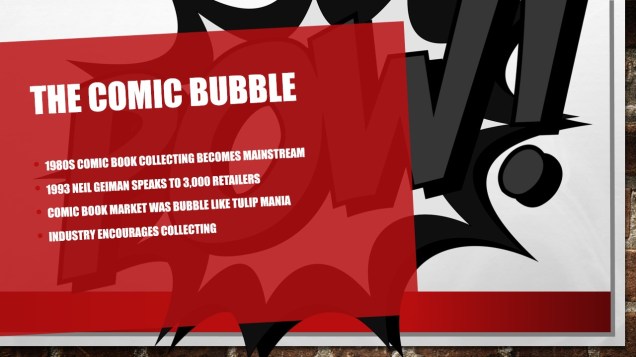
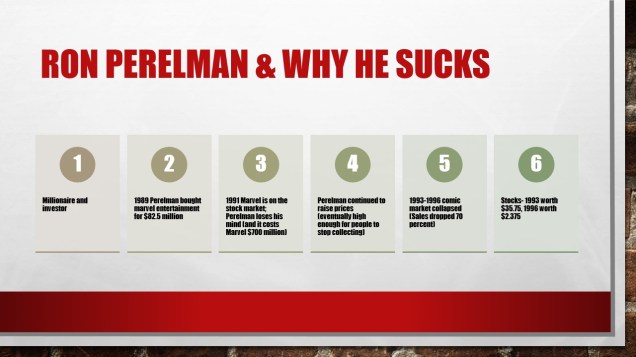
WSP 2305 Comic Books and Crime
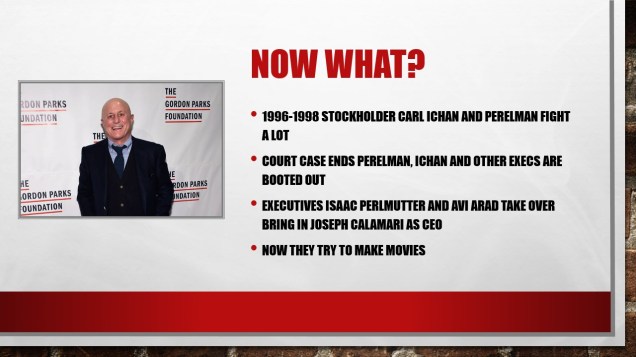
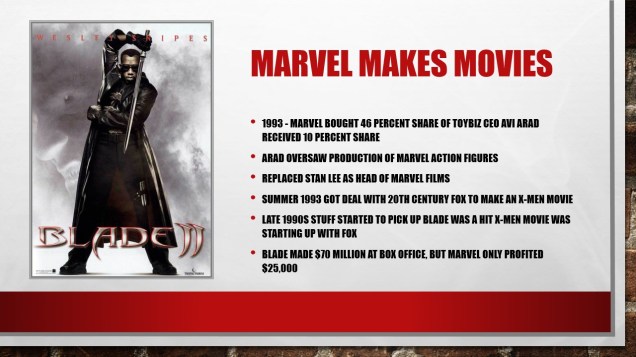
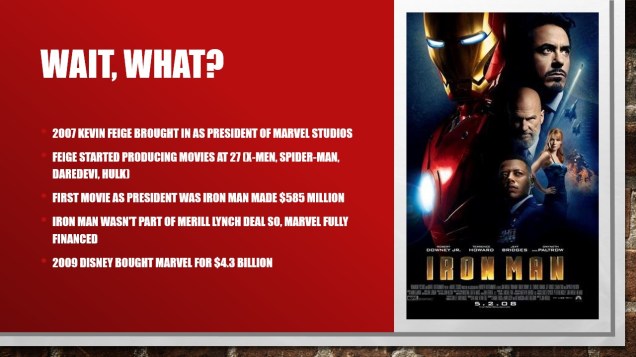
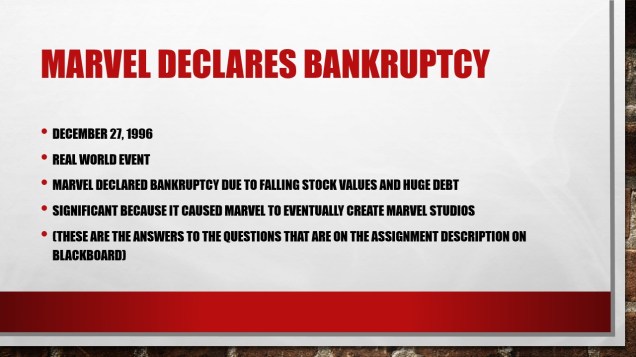
I really enjoyed this presentation because I think it was an interesting take on the assignment. We were supposed to choose a significant moment in common book history and explain how it changed the industry. I love Marvel movies but I didn’t know anything about the history of the company.




WSP 2303 The Science of Cooking
Alison Baron and I partnered to create a video of us making pulled pork sandwiches out of jackfruit! We were extremely excited about this project, and we loved letting our friends get a taste.
WSP 2304 Supreme Court Studies
The Second Amendment
The Second Amendment to the United States Constitution is discussed often in political debates. It’s generally a pretty controversial topic. Different states have different laws regarding the regulation of firearms. However, the states cannot restrict the rights the Constitution gives. The states can regulate, but they cannot take away the right to bear arms unless the Supreme Court of the United States interprets the Second Amendment to mean that guns are not for the public. There have been numerous supreme court cases that caused the court to examine the Second Amendment. The Second Amendment reads, “A well-regulated Militia, being necessary to the security of a free State, the right of the people to keep and bear Arms, shall not be infringed,” (The Bill of Rights, 2017). Each time that the court heard a Second Amendment case they had to interpret the Amendment. Some justices interpret the Second Amendment to protect the military’s right to bear arms. Others interpret it to mean anyone able-bodied. Each time this happened the Second Amendment was affected in some way until the court arrived at the interpretation it has today. However, states can still pass legislation that affects the process of buying, selling, or keeping firearms, but they cannot get rid of the right completely.
United States v. Cruikshank 92 U.S. 542 (1876) established that the First Amendment and the Second Amendment only applied to the federal government, not states or individuals. States could still form legislation surrounding guns within their own borders. The court argued that the Second Amendment only kept Congress from infringing on the right to bear arms but that the amendment did not provide the right (Nelson, Denson, Pal, Ohanu, & Anand). During the reconstruction era protecting the rights of the newly freed slaves was important because people still thought that they shouldn’t have rights or be free. Congress created the Enforcement Acts to allow the president to legally enforce the rights of the freemen afforded to them in the constitution. The court declared these acts unconstitutional because they didn’t apply the Fourteenth Amendment. Even though Cruikshank and others massacred over 100 men, they got off on these technicalities. Despite being convicted in lower level courts, Cruickshank was not punished. This case declared the Enforcement Acts unconstitutional and interpreted the Second Amendment to mean that Congress could not infringe on the people’s right to bear arms but did not necessarily guarantee that right.
Presser v. Illinois 116 U.S. 252 (1886) followed after the ruling in Cruikshank. Presser formed a fraternal organization that marched with arms (Skelton). Presser was convicted under an Illinois statute that prohibited marching with arms with any group that was not the organized militia or the military. Presser appealed arguing that it violated his Second and Fourteenth Amendment rights. The court held that the Second Amendment only kept Congress from infringing on people’s right to bear arms or to a well-regulated militia. Justice William B. Wood wrote the majority opinion and argued that the Second Amendment only applied to the federal government (Skelton). The decision was unanimous that only the federal government must refrain from infringing on the right to bear arms and since they did not apply the Fourteenth Amendment, the Second Amendment didn’t affect the states’ legislation surrounding firearms. The Second Amendment did not keep the states from regulating the right to bear arms. This case shows the courts’ initial reluctance to use the Fourteenth Amendment to apply the Bill of Rights to the states.
US v. Miller 307 U.S. 174 (1939) determined that the Second Amendment does not provide an absolute right to bear arms. Jack Miller and Frank Layton violated the National Firearms Act when they drove across state lines with a sawed-off double-barrel 12-gauge. Miller and Layton argued that the National Firearms Act violated their Second Amendment rights. The lower court dismissed the case since they agreed. The Supreme Court reversed the district court. Justice James Clark McReynolds wrote for the majority. The court argued that a sawed-off double-barrel shotgun was not guaranteed to the individuals by the Second Amendment. The decision on this case was unanimous because all of the justices agreed that a sawed-off double-barrel shotgun did not have a reasonable relationship to the preservation or efficiency of a well-regulated militia (United States v. Miller). The Second Amendment does not provide a right to possess that type of firearm. This case changed the Second Amendment from a right to bear arms to a right to bear certain arms. It allowed the Federal government to disallow some types of firearms like a sawed-off double-barrel 12-gauge shotgun.
Attorney General John Ashcroft wrote his opinion on the Second Amendment in 2002 (Hallbrook, 2004). The Attorney General is the head of the Department of Justice. The Attorney General represents the United States in legal matters, advises the president and other heads of executive departments when requested. The Attorney General will also appear in person before the Supreme Court in critical situations (About the Office, 2015). Attorney General Ashcroft wrote his opinion on the Second Amendment to advise the court. In his statement, he said that the Second Amendment applied to all individuals since the rights in the constitution are not collective, and the militia referred to all able-bodied men when the amendment was written. Ashcroft’s papers argued that the Second Amendment protected each person’s right to bear arms. He did say that there were some limitations; for example, felons and mentally disabled people cannot own firearms. Ashcroft’s paper argued that rights in the constitution are not collective. The Second Amendment applied to each able-bodied, non-criminal individual.
District of Columbia v. Heller 554 U.S. 570 (2008) brought the Second Amendment to the court’s attention once again. Dick Anthony Heller applied for a one-year license to have a handgun in his home from the District Columbia chief of police. He was denied. Heller sued the District of Columbia for violating his Second Amendment rights. Heller wanted an injunction against the provisions that made it illegal to have a functional handgun in his home for self-defense. The District Court for the District of Columbia dismissed the complaint. The U.S. Court of Appeals for the District of Columbia Circuit reversed and held that the Second Amendment should protect the right to own a firearm for self-defense and the provisions that made it illegal to have a functioning firearm in the home were unconstitutional (District of Columbia v. Heller). This case applied the Second Amendment to individuals on a federal level. However, the Second Amendment is not unlimited, and there are still restrictions in example felons cannot own a gun. Justice John Paul Stevens dissented saying that the Second Amendment did not provide an unlimited right to own firearms for self-defense purposes. He wrote that the most natural reading of the Second Amendment protects the right of the military to keep and bear arms.
McDonald v. City of Chicago 561 U.S. 742 (2010) caused the court to review the Second and Fourteenth Amendments together. The court’s decision was 5-4. Justice Samuel Alito wrote for the majority. He wrote that the Due Process Clause of the Fourteenth Amendment would incorporate the right to bear arms that were recognized in Heller. The supreme court held that the Fourteenth Amendment makes the Second Amendment right to keep and bear arms for self-defense applicable to the states (McDonald v. Chicago). The dissenting justices argued that the Second Amendment was not a “liberty” interest protected by the Due Process Clause of the Fourteenth Amendment. This case applied the Second Amendment to the States and caused them not to be able to regulate the right to bear arms with no regulations.
Governor Greggory Abbot signed Senate bill 11 that allowed people to conceal carry a firearm on a public university’s campus in 2015. This bill allows people to carry their weapon on campuses as long as the weapon is not visible, the person has a conceal to carry license, is 21 years old or older, has received training from an instructor certified by the Texas Department of Safety and meets the federal qualifications to own a firearm. The law went into effect on August 1, 2016 (Campus carry). Certain areas on a college campus can be declared gun-free zones. The zones have to be clearly marked on the buildings and the campus map. Universities can keep students living on campus from keeping their firearms in the dorm because there is not a safe place to store them. State laws still ban carrying weapons into campus hospitals and sporting events. The law does not allow open carry nor does it allow intoxicated persons to carry a weapon.
Texas Wesleyan opted out of campus carry. Other colleges (mostly public) have campus carry. However, there are still some exceptions. Guns are still banned from sporting events, campus hospitals and most schools that allow campus carry also allow their professors to declare their offices gun free. Private universities had the option to keep guns off campus, but they had to have open forums to allow people to voice their opinions before deciding one way or the other. In fall 2015 and spring 2016 Wesleyan held several of these open forums. Some people said that allowing people licensed to carry a gun to carry guns on campus would make the school a safer place for everyone. They argued that the criminals would already be bringing guns on campus and that with school shootings on the rise having armed students or faculty on campus would be safer.
Others weren’t so sure. Guns scared them. Wesleyan had been doing well without guns on campus and allowing them on campus would create more opportunities for things to get violent. People argued that students our age aren’t always in the best place mentally and shouldn’t be allowed to have a gun on campus. Even though Texas Wesleyan is a dry campus, it doesn’t mean there isn’t anyone drinking in the dorm. People break the rules all the time, but if Wesleyan has the policy in place, they can protect the institution regardless. It could potentially create massive problems on campus if even one firearm were misused. However, in the event of an active shooter or mugging, it could help protect someone.
Texas Wesleyan decided against campus carry because the Board of Trustees and President Slabach decided that keeping guns off of the campus was best for the University. However, they did not just say “NO GUNS” and go on. They increased security; they started ensuring all the gates are locked at night. They asked Fort Worth police to help patrol the school at night time. The school officials decided that campus carry wasn’t the right choice for Wesleyan, but they added more security measures. Campus carry might work great for other schools, but it probably seemed like more trouble than it was worth to the Board of Trustees at Texas Wesleyan University.
The Second Amendment of the United States Constitution is typically debated a lot. Usually, people feel very strongly against or in support of the Second Amendment. Most states have specific laws regarding the regulations of firearms within their own borders. However, the states cannot restrict the rights the Constitution gives. The states can have different rules on the regulations, but they cannot take away the right to bear arms due to the Fourteenth and Second Amendments. There have been many cases that cause the Second Amendment to be brought in to question. Each of these cases has affected the way the Second Amendment is interpreted and enforced today. The Second Amendment says that a well-regulated militia is necessary to keep the country free and safe so the right to keep and bear arms will not be taken away. Each interpretation of the amendment caused the court to examine what the writers of the constitution originally meant and how that meaning should be put into practice today.
WSP 1301 Popular Culture
https://advertisingtomillennials.wordpress.com/
Our major project could be over any topic we chose. I wanted to create research that I could use in the future, so I chose to research millennials in advertising. I added a creative element to the assignment and created a website instead of writing an essay. The website allows the viewer to read and see examples in a more convenient format.
Weekly log
Week one
I wrote this last week after my actual first week. I spent a lot of time training but overall it’s been fun.
I’m extra excited to be the public relations assistant for the Texas Wesleyan Marketing and Communications Department. I’m sad that I am not on The Rambler anymore, but I was ready for a change. This week I have basically been learning and training so that the team won’t have to hold my hand all year. I’ve done the Title IX training and the drug and alcohol training that is so super fun. My supervisor Nephtaly Rivera has taught me how to track media mentions as well as how to use t4, txwes.edu’s website platform.
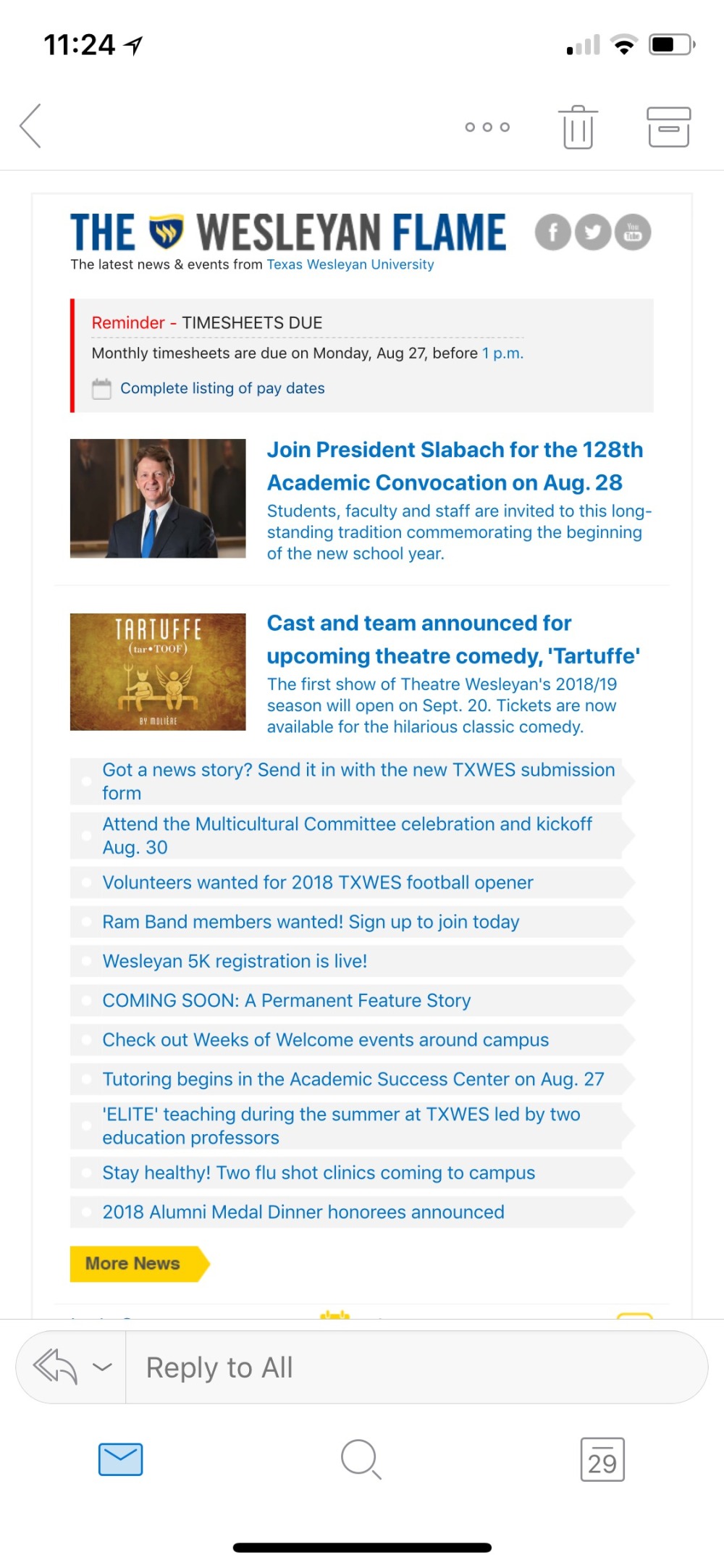
Tuesday, when most of the training was out of the way I wrote a little PR style blurb for the Wesleyan flame. It’s the story about joining The Ram Band if you saw it. (If you didn’t see it click here.) I also wrote about an event TCU is holding in early October. It’s been a little difficult for me to switch from news writing to a more public relations style writing. I think I’ll get better at matching the voice TXWES uses as I go, but for now, I’m struggling.
On, Wednesday I was able to go to Farrington field to help with a last-minute media event. I also helped put together bags to give to the media at the practice. Also, I cut up the inserts for all the passes people wear to get into football games, and I stapled rosters together. All in all, it’s been a good week. Thursday and Friday were slow but at least I can wear jeans on Friday.
I think that this internship is going to help me work towards the goal of being a better writer. I feel like I’m a good writer already but public relations style writing is very different. So, I just want to get the hang of it quickly. I think the only way to do that is to write more public relations pieces.
Week two
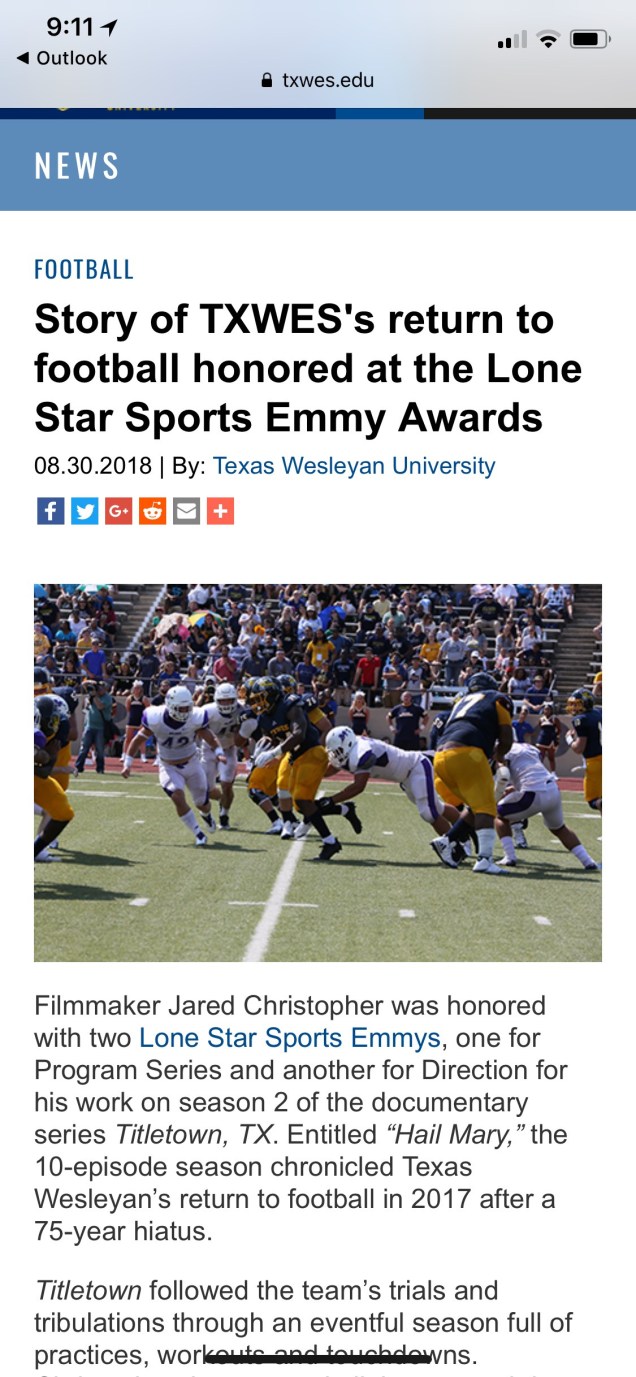
My second week went well. Marketing and communications has a google form set up to take story requests. Monday, I checked the form and then started working on a request for a story. The story was about the new nurse anesthesia orientation. It’s really interesting getting to write about all of the different areas at Texas Wesleyan. I feel like I’m learning more about the campus even though I’ve been here three years. Tuesday, I mostly answered the phone and worked on homework. Wednesday, I was pretty busy I wrote up a story about the Star-Telegram winning two Emmys for Titletown, TX: Hail Mary. Thursday, I had to rearrange my schedule because of the “don’t do drugs” athlete meeting. So, I worked on a few writing things and loaded some things into t4. I had to come back after class which wasn’t my favorite. But, it’s fine. Friday was super low-key. I answered the phone twice and that was it. It’s been pretty slow, but I still feel like I’m learning a lot about being on a marketing team and working in an office. Also, I’m getting more comfortable talking to people on the phone and getting them transferred to the right place. It might seem like a small deal but I hate answering the phone. So, it’s a big deal to me.
Week three
I’m still learning the ropes. I’m getting better at answering the phone and tracking media mentions. I feel like I’m getting the hang of matching voice and style. However, it takes me a lot longer to write a story for txwes.edu than it did for The Rambler. I think I’ll get better and faster with practice.
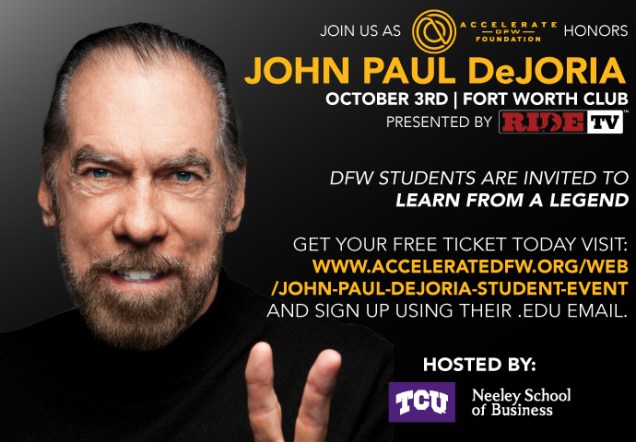
This week was busier than some of the other weeks. I added the finishing touches to the John Paul DeJoria story that went up last week. It has been in The Flame and Ram Life. I also started updating our media contact sheet. That took me almost all week to complete it. After updating the sheet, I narrowed the list down to 80 members of the media to invite them to a media day. The media day is at a football game in October where they can come watch the game for free and tailgate together before. I also wrote several stories that haven’t been posted yet because they’re still waiting on approval.
Overall, this week was some busy (but important) work and a writing week.
Week four
I’ve been keeping busy or trying to. I didn’t have too much going on during week four, but I kept busy.
I’ve posted several stories to t4 and I’m getting quicker at it. I also finalized the email invite list for media day. Then I started making info sheets for each school. The sheets have a list of organizations that students can participate as well as a lengthy list of career possibilities. It took me a long time to get it all done because copy and paste wasn’t really an option. Also, the career possibilities were listed by major and not by school. It was really just some busy work, but it really helped out my boss.
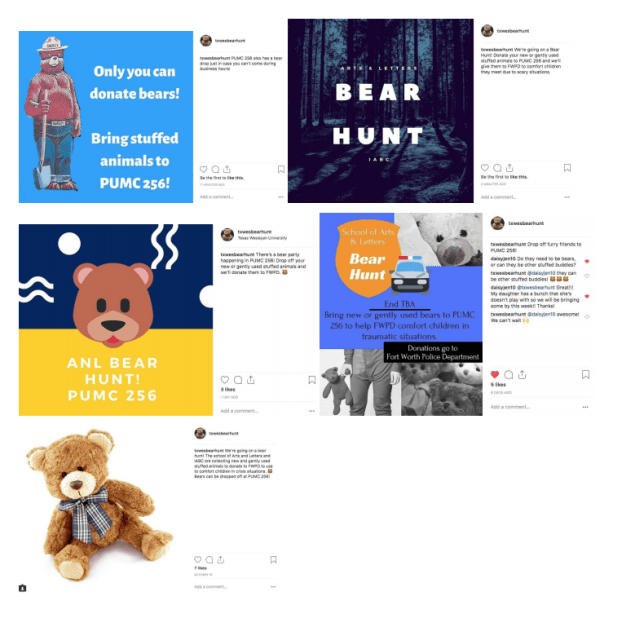
Our google form hasn’t been getting very many responses so writing has been slow. I did get to write up a piece about the Bear Hunt though and that should be going live soon. Also, some of the stories I wrote last week are up now. This was my favorite story I worked on last week. I hope y’all enjoy it.
Week five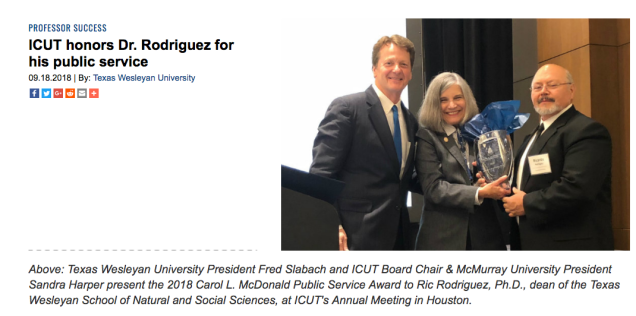
My fifth week of work was pretty slow. I think I’m getting better at writing, but I need to slow down and reread everything a few times before I move on. Some of the corrections I’ve gotten were things I knew to do but overlooked.
I posted Dr. Rodriguez’s ICUT award on t4 since I wrote it. I also wrote the bear hunt story that should be posted soon. I’ve also been helping create takeaway fliers for each of the schools. Each sheet has career possibilities, majors, ways to get involved, and a list of places alumni now work and where they went to grad school. I’ve been the researcher for the takeaways, but I don’t think they’ve started the design process yet.
I rewrote a few stories that were still relevant but had outdated information like the T-shirt swap student life does and the story about signing up for emergency alerts.
My favorite thing from week five was Thursday. I got to listen to John Goff speak, and I helped out at the commercial reveal. Passing out T-shirts was fun. It beats sitting in the office for another hour.
All in all, it was a good week. I got to wear jeans three times instead of twice.
Week six
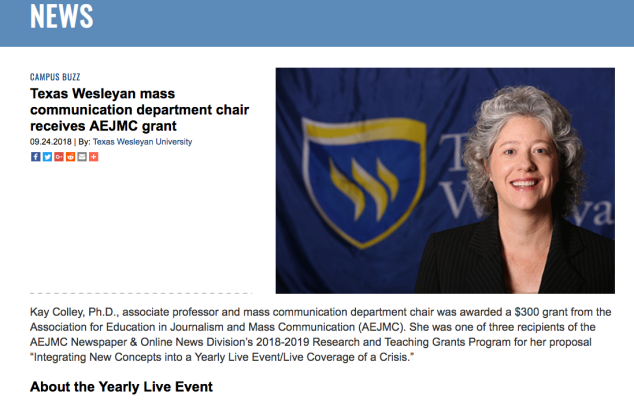
I’m not going to sugar coat it. This week sucked for me. I didn’t have much to do at all. I wrote one post about Dr. Colley and another about Dr. Adkinson. You can read about Dr. Colley’s grant here. I felt better about this story than most because I got basically no corrections. But, looking back, I’m not sure that’s a good thing. I was excited about those two because I’ve had both of them for class, so I knew more about them. Other than that, I didn’t do anything. I emailed some people for Neph, and that was it.
Although, I did get to use some of my extra time to pass my hubspot social media certification.
Week seven
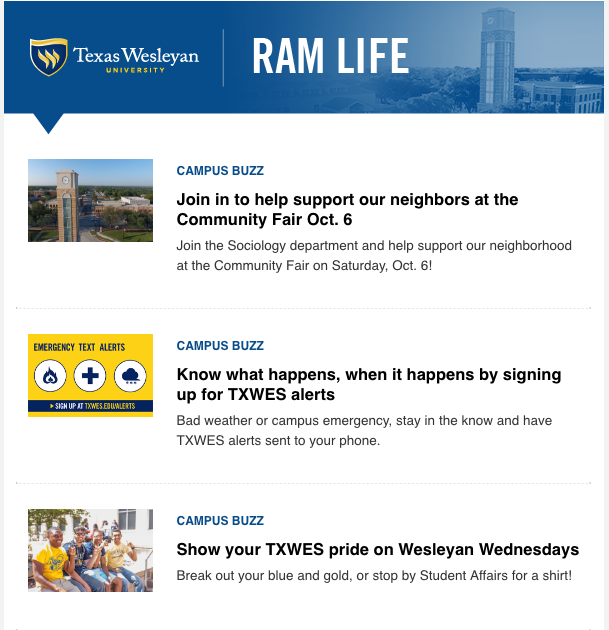
This week was better than last week. I’m still not as busy as I would like, but I’m staying on top of my homework which is nice. This week I didn’t write anything. Two of the stories I updated were in Ram Life, so at least I contributed something. I updated the campus alerts and Wesleyan Wednesday stories.
Overall, I had a better week, but I still wish I was doing more.
Week eight
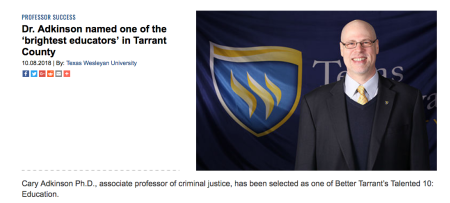
My story about Dr. A came out during week eight. This story is my favorite so far because I got to write a longer story. I wish I were getting more feedback on stories. Lately, I’ve been comparing my version to the final version to get edits that way. I think it’s more constructive for me to talk through the improvements I need to make.
I also got to help set up the Good Morning Texas shoot. I helped send emails to the organizations that were invited to participate like the Gold Line Dancers, The TXWES Cheer Team, and The Ram Band. I also got to be in the shot a lot as a cheerleader, so that was cool.
Overall, I feel like I learned a lot more about how public relations interact with the media to ensure they get what they need.
Week nine
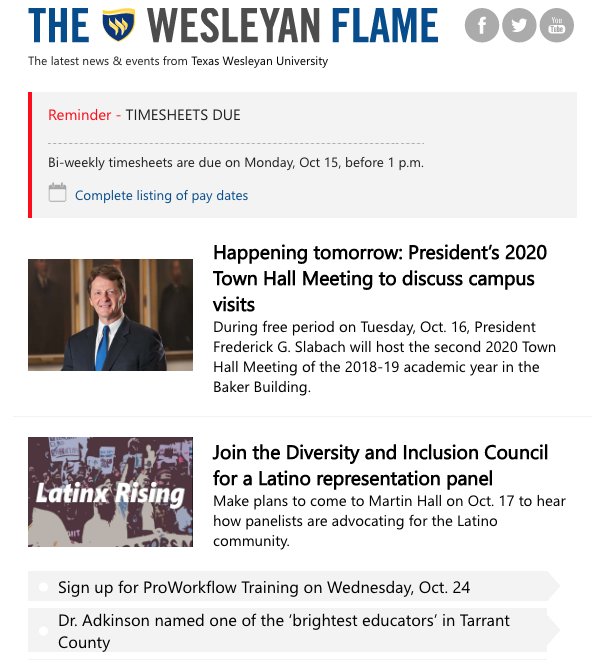
This week I was busier. I wrote a story about Dr. Kimberly Webb receiving the Exemplary Teacher Award from General Board of Higher Education and Ministry. I also helped with the takeaways again. I started writing a story about Drs Dryden and Anderson that received the Quest for Quality award for their work with primary school students over the summer. The story I wrote on Dr. A didn’t have many edits, and it’s been in The Flame the past two weeks.
Overall, this week has been better. I’m still not as busy as I’d like to be, but I enjoyed this week.
Week ten
This week has been weird. Monday, I didn’t have much to do. I entered a story I had been waiting on approval for into t4. I also returned a call where I had to politely tell someone we didn’t want to place advertising in their high school’s yearbooks. Tuesday, I helped send out RSVP emails for the homecoming media event. Wednesday, I finished sending emails. Neph, Ann and I split the email list between the three of us and kept track of who had responded and when we contacted them in a google spreadsheet. Thursday, I didn’t do much. Friday, I’m meeting with Ann and Neph again to decide what all is still on our checklist for the homecoming media event.
I have to say if nothing else this job is preparing me to interact with people in a professional environment. I was nervous about the phone call I had to make declining advertising, but it went fine. I’m getting more comfortable being uncomfortable, I guess.
Week 11
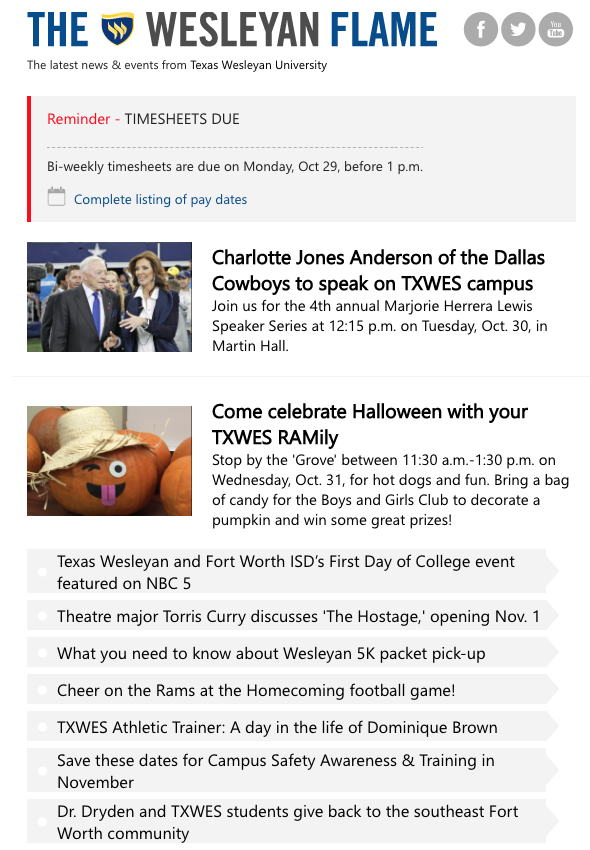
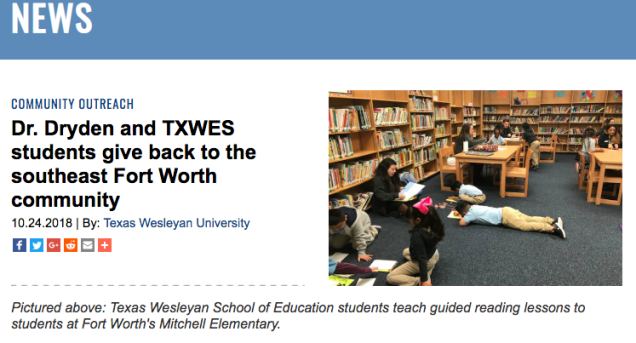
Week 11 has been crazy busy. I had tons of homework, four cheerleading events/games, the MHL speaker series, and one nap. (First world problems, right?) I wrote four articles for the website that are all waiting for approval to before I can post them. One of the stories that I worked on last week made it into The Flame. It was about Dr. Dryden and her students practicing athletic training in the field. I’m excited that I was assigned to help work on a project about search engine optimization. I’m working under some different people for the SEO project. I’m eager to learn more about SEO because I know I’ll be able to use what I learn in the future.
The media tailgate party is tomorrow! I’m excited to be done working on this event. It hasn’t been too much work, but I love seeing the end of things. (And game day is the best.) Also, this is the first even I’ve helped with, so I hope it goes well.
Week 12
This week was fun. I got to run around campus and do busy work. I also got to write four (sort of five) stories. I’m the most excited about working on the search engine optimization project with Shannon, the associate vice president of Marketing & Communications. She seems like she knows her stuff. I don’t get to work with her very often because she’s busy.
My research for our first SEO subject is due Friday. I finished most of it. Our key term for these articles is “criminal justice school.” We have another meeting to discuss the next steps tomorrow, and then we start the actual writing.
The stories I wrote all came from the google drive link. I like the google drive, but I miss talking to people in person to get quotes.
Overall, I think I’m getting better at writing for public relations and keeping in voice. I am excited about the SEO project because I think that will be helpful to me after I graduate too.
Made to Stick
People have been creating sticky ideas since there have been ideas. Sticky ideas are not new. However, a formula for designing an idea, message, product or ad is new. Chip and Dan Heath streamlined an easy way to create a sticky idea. In doing this they examined naturally sticky ideas and created this formula based on qualities these ideas all possessed. The brothers suggest there are not any new ideas just different ways of presenting them. The reasons behind why some ideas stick and others die are important to know because it allows advertisers to know how to craft and present their idea in a way that is successful and memorable.
There are six key principles that make an idea sticky. At least a few of these principles are found in every sticky idea. Sticky ideas are simple, unexpected, concrete, credible, emotional, and tell a story. Each idea may only contain two or three of these principles but they are there. Every idea relies on these six things because they work (C. Heath & D. Heath, 2007).
Sticky ideas are simple. They are not complicated or hard to understand. The Heath brothers relate keeping a message simple to commander’s intent (C. Heath & D. Heath, 2007, p. 26). The military suggests that when coming up with a commander’s intent that the commanders ask themselves two questions: “If we do nothing else during tomorrow’s mission we must _____________,” and “The single, most important thing we do tomorrow is ____________.” (C. Heath & D. Heath, 2007, p. 27) However, the brothers do not mean keep ideas dumbed down or short. They mean find the big picture’s core idea. If a company’s message is “Our cookies are the best because we use all-natural ingredients and they’re healthier for you than other processed cookies.” The company should probably make it more compact. “Our cookie company values our customer’s health.” That allows everyone creating new cookie recipes for the company know that they need to pick the healthiest ingredients. This message also communicates that the cookies are healthy and safe to the consumers.
Sticky ideas are unexpected. Sticky ideas make our brains work. They test our “guessing machines.” Brains like patterns. Whenever something challenges a pattern the brain has it grabs attention. Sticky ideas get attention through surprise. They keep attention through a mystery. Almost everyone has sat through the flight safety speech. It’s the same on every flight. When Karen Wood, the flight attendant, inserted some jokes it grabbed people’s attention (C. Heath & D. Heath, 2007, p. 63). It captured people’s interest because their brain guessed that it would follow the typical safety warning but it did not. In order to keep interest, there needs to be a knowledge gap that people can feel. A perfect example is when Dr. Jenny Dean asked if Ellen, Bradley Cooper, or Samsung owned the photo that was taken at the Oscars. Everyone wanted to know the answer and made guesses as to who owned it. She highlighted a gap we didn’t know was there. She didn’t tell the answer right away. First, she introduced some laws that were clues about who owned the photo. Dean only revealed the owner when she didn’t need our attention anymore. That one question caused us to stay interested throughout the presentation because we wanted answers to fill our knowledge gap.
Sticky ideas are concrete. Most people do not handle ambiguity well. They like having things nailed down. The main goal of making an idea concrete is to help them understand, remember, and coordinate. Some people might understand how much land 20 percent of California is. However, most people do not. They can understand how big a landscape is though. Break ideas down into something more tangible that people can understand. It’s easier to persuade people to protect the Mount Hamilton Wilderness than the hills next to Silicon Valley. People understand Mount Hamilton Wilderness, it’s concrete. It has a name. The hills next to Silicon Valley is too ambiguous to convince people it’s important (C. Heath & D. Heath, 2007, p. 102).
Sticky ideas are credible. Sticky ideas help people believe. The idea could be presented through an experiment, an absolute authority or an anti-authority (C. Heath & D. Heath, 2007, p. 132-136). An experiment like swallowing bacteria to prove it causes ulcers or placing quarters on a wet pieces of toilet paper to compare strength is creating credibility people can see. An expert speaking about the type of bacteria that causes ulcers would not have needed to swallow bacteria to prove it. People would believe him because he’s an authority on the topic. Pam Laffin is an antiauthority. She’s believable because she is living proof that smoking is bad for health. Convincing details can also create credibility. The mother that knows her child has a Darth Vader toothbrush must be a good mother otherwise she would not know that detail (C. Heath & D. Heath, 2007, p. 138-9). Statistics become more impactful if they are made accessible. The number of nuclear warheads does not resonate with most people. It’s too large to picture. If you equate one BB to one warhead and dump them into a bucket it makes it tangible. All of a sudden a large number becomes impactful because people can see it in a representation that makes sense.
Sticky ideas are emotional. Emotional ideas make people care. Feeding people a bunch of statistics about poverty will not make them care. Showing people a specific child that doesn’t ever get enough to eat will make them care more than a bunch of numbers. People feel like they can help one person but they can’t help the masses. The term sportsmanship doesn’t mean much to athletes, coaches or parents anymore. “Honor the game” means basically the same thing as “practice good sportsmanship.” However, “honor the game” holds more weight with participants because they associate that phrase with respecting their sport. Customers are always going to ask “What’s in it for me?” It’s the copywriter’s job to tell them what is in it for them (C. Heath & D. Heath, 2007, p. 179). In Tempe, Arizona more people were persuaded to get cable television when the ad asked them to visualize their lives with it (C. Heath & D. Heath, 2007, p. 180-181). The consumer is asking “what’s in it for me if I buy cable TV?” The ad answers that they won’t have to spend as much money on babysitters. They can enjoy a quiet evening in instead of going to the movies. The ad makes it personal. Another way to evoke emotion in ads is to appeal to people’s identity. In the “Don’t Mess with Texas” ad campaign their target audience was Texans. In order to craft a successful campaign the creators had to put themselves into the shoes of a littering Texan (C. Heath & D. Heath, 2007, p. 196-199). Texans have a lot of pride. They believe Texas is the best state. The best way to convince Texans not to litter is by convincing them and showing them that great Texans don’t litter. The ads feature prominent Texans cleaning up litter or doing other things and then saying “Don’t mess with Texas.” They are leading by example. Willie Nelson is a Texan and he doesn’t litter. Other Texans shouldn’t litter either.
Sticky ideas are often times a story. Stories can be used to simulate how someone should act. The nurse that trusted her instincts and acted against the doctor’s orders ended up saving a child’s life is a great example of conveying a message through a story (C. Heath & D. Heath, 2007, p. 204-205). This story leaves the lesson that going with your instincts can be better than what you are taught. Stories can also be used to inspire people to action. Jared lost 245 pounds eating Subway sandwiches. People watch his story and think if he can lose 245 pounds by eating Subway sandwiches then it must be effective and healthy for everyone. This story inspired people to buy Subway sandwiches because Jared’s weight loss story inspired them to lose weight on Subway too.
Sticky ideas can influence sales to go up or down. Sticky ideas first and foremost create awareness. If people aren’t aware of a product, then they can’t buy it. Creating awareness is often the first step in creating a successful business which is why ad campaigns often focus on it. Once the public has a general awareness of an idea or brand they can decide whether or not to look further into it. However, if there is not a significant amount of interest buzzing around a topic then the majority of people will not know about it. If people do not know they cannot impact sales.
Sticky ideas do not just increase sales. They can decrease sales as well. The anti-smoking campaign that Pam Laffin starred in drove down cigarette sales. The metaphor that compares all of the saturated fat in the popcorn to the fat in an entire day’s worth of decadent food caused popcorn sales to plummet. It even caused the movie theaters to change the oil they pop the popcorn in. Sticky ideas generate interest because they are designed to grab people’s attention and keep it. The TV commercial with catchy background music that gets stuck in your head might cause consumers to google the ad or the product. After examining the product they might decide to buy. Sticky ideas influence sales because each principle of SUCCESs targets the right audience in the best way when used correctly.
Stickiness changes the way that companies create messages. The company might choose to send their message through a convincing story instead of just stating their goal outright. We want people to quit smoking because it is bad for them. This sentence is much less convincing than a story about the negative effects of smoking told by an antiauthority figure like Pam Laffin. Pam is stickier than a general statement. People are desensitized to most statements in advertising. They blend in. Smoking is bad. This burger tastes good. They’re boring. Pam Laffin is not boring. She stands out as the reason not to smoke.
Messaging might also be sent through a metaphor. Art Silverman set out a medium bag of popcorn next to a spread of a day’s worth of food (C. Heath & D. Heath, 2007, p. 7). Then Silverman says there are 37 grams of saturated fat in the bag of popcorn. All of the other food combined has 37 grams of saturated fat. If the message had just been 37 grams of saturated fat is too much then most people wouldn’t have paid much attention. But, the metaphor made it tangible and personal. A person could eat one medium bag of popcorn or they could eat an entire day’s worth of food to reach 37 grams of saturated fat. Most people are going to choose the entire day’s worth of food.
Stickiness impacts the scope of the message sent out. Most companies have several long-term goals. These companies can be successful in achieving these long-term goals if they have a core message that everything boils down to. Southwest Airlines is THE low cost airline (C. Heath & D. Heath, 2007, p. 29). Every choice Southwest makes is influenced by that statement. Passengers would like to have a light meal offered on shorter flights. That’s great but does that align with staying THE low cost airline? No, it doesn’t so they didn’t do that. It’s a simple message that can be easily communicated to all of their staff that would help them create ideas for the airline to be better. If the idea helps Southwest remain THE low cost airline then pitch the idea. If it doesn’t help then don’t pitch that idea. This guiding principle helps let others know what they should do.
The message itself does impact sales. The presentation is what makes it sticky. We are THE low cost airline impacts what Southwest offers. The amenities and the cost of the flight impact people to buy or not. The messaging creates reasons people should or should not buy things. The 37 grams of saturated fat in popcorn is much too high. This message influenced people not to buy popcorn at the movie theater. Eventually, this message caused the movie theater to change the popcorn they sell. They started popping it in a healthier oil like vegetable oil so that people would start buying their popcorn again. The consumers sent a message to the movie theater that they would not buy popcorn with that much fat in it. If the movie theater wants them to buy popcorn they need to make it healthier. Simple and concrete messages are going to influence sales more than ambiguous messages. Most people do not handle ambiguity well. It is much easier to handle concrete and tangible facts. The simpleness of an idea needs to inform people the main idea or purpose of a product and then show the consumer why they need or don’t need it. 37 grams of saturated fat is an unhealthy amount. Do not eat popcorn made with coconut oil. It is simple and concise. It is easier to act on ideas you understand.
In order to make something stickier, people should follow the SUCCESs principles. The Heath brothers already studied tons of successful ideas to find out why they were successful. They’ve already done the grunt work to learn why certain ideas stick and others die. There’s always more to be learned, but Made to Stick is a good place to start. Learning from others’ successes and failures is an easy way to predict whether an idea or ad will be successful or not. The most important thing to make an idea stick is to strip down a complex or unclear message or idea to its core. People cannot act on an unclear message. However, the audience does get a say in what the message means. They can interpret the message differently or transform the phrase (C. Heath & D. Heath, 2007, p. 238). Durocher said, “Nice guys! Look over there. Do you know a nicer guy than Mel Ott? Or any of the other Giants? Why, they’re the nicest guys in the world! And where are they? In seventh place!” This quote went through several transformations before becoming “Nice guys finish last.” Both quotes have the same meaning but Durocher didn’t change the quote. His audience did. If the audience changes the message but the meaning stays the same then keep their message. It sticks, so use it.
It is important to know why some ideas stick and others die. In any field communicating with others is a must. In everyday life, people have to explain things in a way that helps people care, remember, understand, agree, believe, or act on an idea. By knowing the reasons behind great ideas people can create a way to deliver a message that will stick.
Sources
Heath, C., & Heath, D. (2007). Made to stick: Why some ideas survive and others die. New York:
Random House.
Resume

 karanmuns.com